

Hair transplant is an application to regain their new hair for people who lost their hair or suffer from baldness for various reasons.
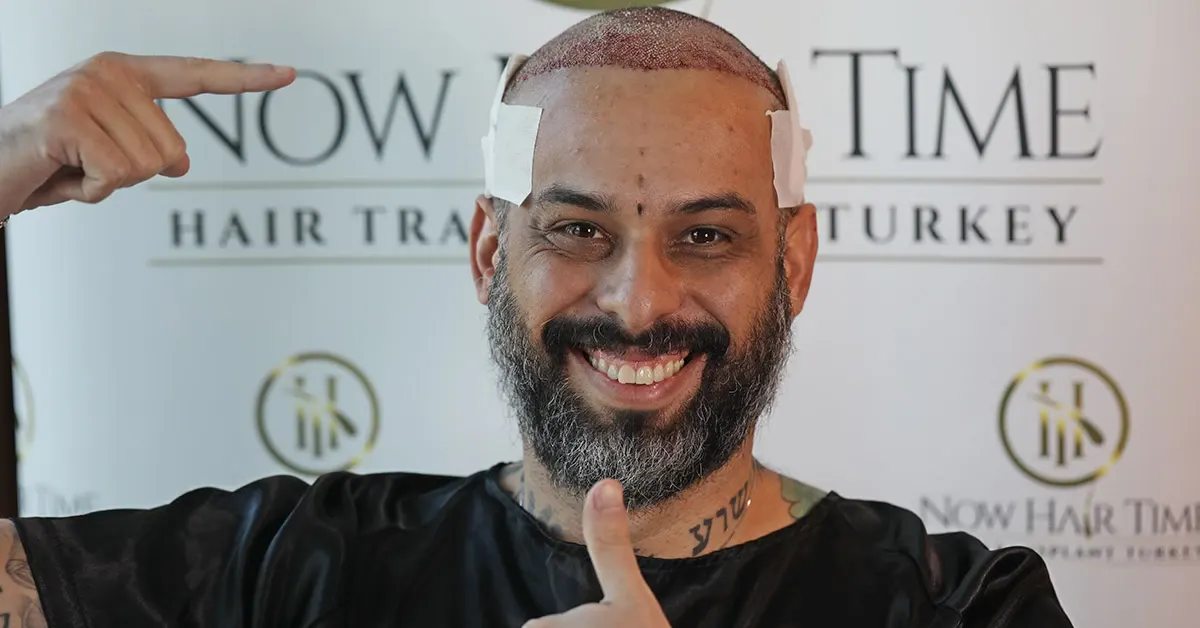
Key Takeaways
- Diet matters after surgery; vitamins, zinc, iron, and protein support healthy regrowth and faster recovery.
- Pay particular attention to the first three days, lying on your back and using prescribed edema medication.
- The first wash is done on the day your doctor gives you in writing, using a softening lotion and a gentle, no-rubbing technique.
- Scabs form from drying blood at the channels and shed with regular gentle washing; your doctor tells you when to expect this.
- Common side effects include itching, bleeding, weakness, and forehead edema, usually at a preventable level.
When a person decides to have a hair transplant, they must first prepare themselves for operation psychologically and physically. Therefore, various researches can be done from reliable websites. In addition, it is necessary to pay attention to the selection of the doctor and hair transplant center because the equipment, capacity, experience of a center, and the experience of the doctor and his team in the field, his past experiences and devotion will directly affect the success rate of the operation.
All these are considered in our clinic on behalf of our valued patients and we do our best to support you; we recommend that you follow our suggestions.
Hair transplant is a process and this process has three different stages. Each stage of this process, which we can evaluate as preliminary preparation, operation, and post-operation, has a different dynamic. Every dynamic has different requirements.
The more care is taken from the beginning to the end of the treatment, the better the process is managed, the greater the success is achieved. For this reason, attention should be paid at every stage of hair transplant processes and action should be taken with meticulous care.
Technically, a successful hair transplant operation should follow the necessary rules after a hair transplant, as well. It is the patient who will do all this and determine their course of operation after the operation.
What Happens After a Hair Transplant?
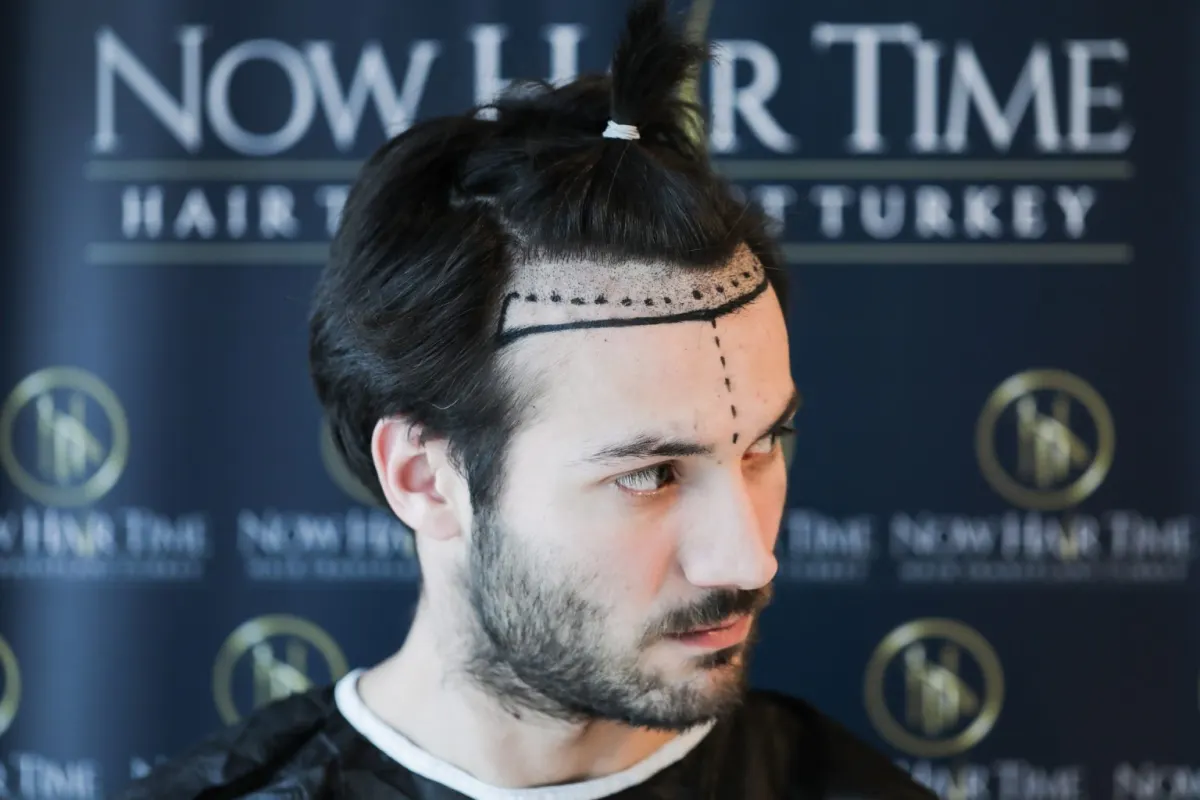
Knowing what you will encounter after a hair transplant will affect you physically and psychologically. For this reason, we will give detailed information in this article and we will examine all aspects of hair transplant. In this context, we need to list these matters in two titles as follows:
- Nutrition
- The healing process and care
Nutrition After Operation
After a hair transplant, you should follow the advice given by your doctor exactly. You should not neglect them. In addition, you should take great care with what you eat and drink. If you do this, it will be better for the new hair follicles to grow and strengthen healthily. During this period, you should be careful about nutrition and prefer foods that will be beneficial for hair. By doing this, your cell renewal rate will increase and you will shorten the recovery period after the operation.
After the operation, all your food will affect newly transplanted hair follicles. When you are deprived of micro and macronutrients, vitamins, minerals, proteins, fatty acids, there will be risks of dysfunction in your cell membranes. This will disrupt the normal life cycle of the hair and prevent hair follicles from re-growing again. Moreover, it may cause continued hair loss after a hair transplant.
We will give you some advice to have healthy hair roots. You can rearrange your nutrition plan according to the nutrients we will specify and you can eat healthily.
1. Vitamin B- Complex
Some vitamins have a great role in the healthy development of the hair. Biotin (B7) and B-12 are the leading ones. These are called Vitamin B-complex. These vitamins also provide nutrients to the body and support the metabolism of food sources including all hair and hair follicles. For this reason, some doctors recommend their patients especially Vitamin B-complex supplements after hair transplant operations.
We can list the main foods that are rich in vitamin B as follows: red meat, banana, chicken, avocado, nuts, brown rice, and eggs.
2. Zinc
Zinc is a very important nutrient for the human body. In the case of zinc deficiency, serious problems such as hair loss and hair thinning begin to appear. Ask your doctor whether a zinc supplement is appropriate for you after the operation. Zinc plays a very important role in collagen production, tissue repair, cell proliferation and growth, absorption of vitamins, hormonal balances, and protein synthesis.
We can list the most main foods rich in zinc as follows: chickpeas, lamb, shrimp, spinach, whole grains, fish, and eggs.
3. Iron
Iron deficiency in the body also causes hair loss. Iron strengthens the hair texture by strengthening the hair. It helps transport nutrients and oxygen to the hair follicles and scalp. Therefore, feeding on iron-based foods makes it easier for patients to get results that meet their expectations. The recovery period will accelerate after the hair transplant operation as it will strengthen the immune system.
We can list the main foods rich in iron as follows: beans, spinach, red meat, calf's liver, and clams.
4. Vitamin E
The most basic feature of vitamin E is its antioxidant feature. Speeding up the healing of damaged skin, vitamin E is very effective in healing scars. The effect of vitamin E is great for softening the tissue and improving tissue quality in the recipient area. Ask your doctor before using vitamin E oil on the scalp.
We can list the most main foods rich in vitamin E as follows: avocado, almond, spinach, olive oil, sunflower seeds.
5. Vitamin C
Vitamin C acts as an antioxidant. It has a great role in collagen production, which is vital for the healing of wounds. Vitamin C is also vital to combat oxidative stress, which affects hair graying and loss.
We can list the most main foods that are rich in vitamin C as follows: cabbage, pepper, kiwi, small grains, broccoli, and citrus fruits.
6. Vitamin A
Vitamin A functions in the development and growth of all cells in the human body, including hair follicles. Vitamin A is also effective in the production of sebum, which is a substance that moisturizes the scalp and resembles fatty tissue that keeps hair healthy. Having vitamin A deficiency in the body can cause hair loss and the scalp to become dry and itchy. Consumption of foods rich in Vitamin A affects reducing itching, which is a temporary side effect after hair transplant operations.
We can list main foods rich in vitamin A as follows: potato, carrot, calf's liver, spinach, cabbage, pumpkin.
Another important issue about nutrition after the hair transplant operation is your cholesterol level. When you reduce fat in your diet, your LDL values, known as bad cholesterol, will decrease, while HDL values, known as good cholesterol, increase. Keeping the cholesterol level in balance has an effect on the healing of wounds after the operation and growth of healthy hair.
Post-Operative Recovery Process and Care Details
Hygiene rules are important for people who undergo all microsurgery procedures. If the operation was performed in sterile and suitable conditions, the risk of infection is extremely low. The healing process after a hair transplant may vary from person to person. It should not be forgotten that it will spread to a time of about 1 year.
Particular attention should be paid to the first 3 days after the operation. There may be some pain on the first night and the next day. Painkillers prescribed by your doctor help keep you comfortable.
In the first days after hair transplant operations, you should lie on your back as much as possible and do not touch the area where it is transplanted. Since you will be discharged after a hair transplant, we invite you to our clinic the next day.
The medical dressing will be applied and the bandage on your nape area will be removed. Then, your doctor will give you medication for edema, and using them for the first three days helps prevent edema.
In the first three days after the operation, you can see minor bleeding in the areas where the hair follicles are harvested and where it is transplanted. This is normal. You will need to use the antibiotics given by your doctor without interruption for the period your doctor specifies. You mustn't drink alcohol in any way during this process.
In this process, the antibiotic you will receive will be mixed directly into the blood. This can interact with the medications you use, leading to negative consequences.
Likewise, smoking causes the healing process to be affected negatively. Therefore, we recommend not smoking for at least a week after the operation.
The first wash is done on the day your doctor gives you in writing. From then on, wash daily with the special care lotion and shampoo recommended by your doctor, for the number of days your doctor specifies. With regular washing, the scabs soften and shed; your doctor tells you when to expect this.
After a hair transplant operation, it is necessary to stay away from challenging and heavy sports for at least 1 month. The reason behind this is that the sport raises blood pressure and causes an increase in heart rate.
Increasing the heart rate may also cause bleeding in microchannels where hair follicles are implanted and may damage the transplanted hair. You must stay away from activities that will sweat you and tire for at least a week. After the operation, you can start the walks that will not tire you or sweat you after 4-5 days. These should be at a light pace.
After hair transplant operations, you should not expose the region where the transplant is done to sun rays for about 2 weeks. If you go out, protect the area from the sun; your doctor tells you when you can wear a loose hat that does not squeeze your head.
In the weeks after the operation, you may experience shock hair loss: the implanted hair sheds. Your doctor tells you when to expect it. This is an expected part of the process.
So there is nothing to worry about. This loss is the defense mechanism due to trauma experienced during the removal of hair follicles. After the loss, between the 2nd and 4th months of the operation, the hair enters new growth cycles and goes into healthy growth. Elongation continues further after the fourth month. Transplanted hair starts to get thicken after the 8th month. At around one year, the result can usually be assessed; results vary from person to person.
As you can see, the time after a hair transplant operation requires patience. All you have to do is to live a life that is a little bit more sensitive. Otherwise, no case will prevent you from your activities and business life.
Hair Washing After Hair Transplant
Hair washing after a hair transplant has an important role to get successful results from a hair transplant. Especially after the first week of hair transplant operation, you should be very careful. Careful washing supports healing after the procedure.
Washing after the hair transplant should be done carefully, using lotion and following your doctor's recommendations. The first wash is done on the day your doctor gives you in writing; until the scabs are shed, wash gently with lotion. Wash once a day for the number of days your doctor specifies.
When Can You Wash Your Hair After a Hair Transplant?
During the first 24 hours after the operation, keep the donor and recipient areas away from water, including rain. Your doctor gives you the day of the first wash, and how many days to wash once a day, in writing.
It is recommended to do this before bedtime in the evening because the hair roots grow between 4 and 5 hours at night, and another reason is that daytime activities cause the hair to sweat, get dirty and get greasy.
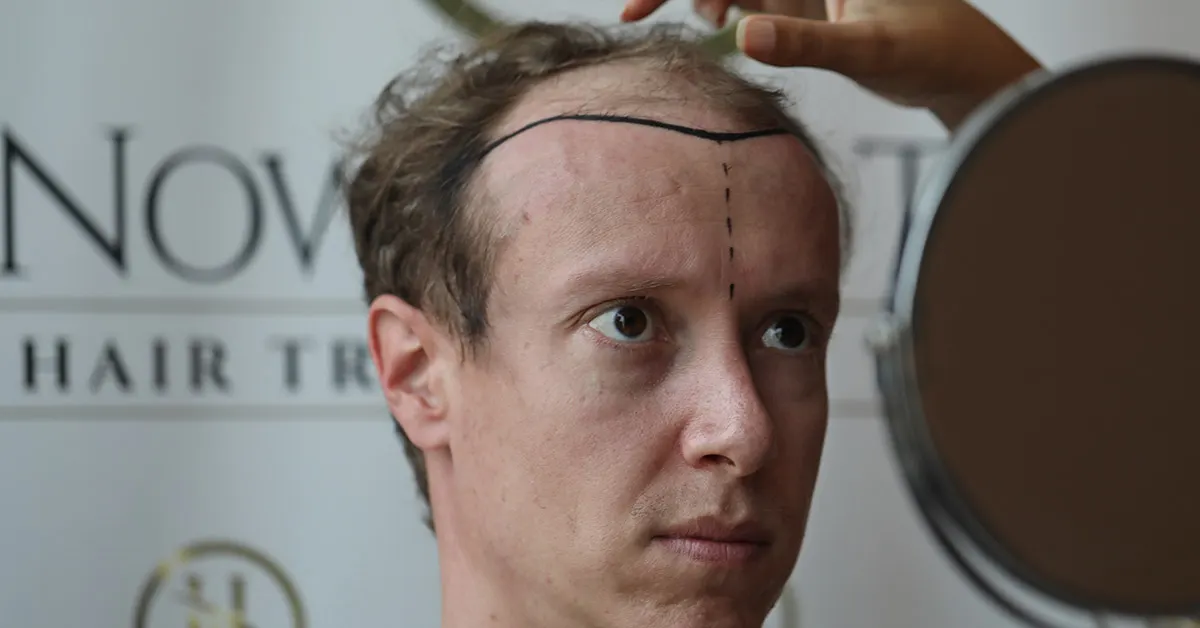
How to Wash after Hair Transplant?
Hair is first washed on the day your doctor gives you in writing. Lotions used in the first wash help soften the scabs.
The lotion used for washing should not be too solid. The lotion spilled onto the hair should be gently massaged to spread.
In order not to damage the hair follicles, rubbing with hands should not be done. The lotion should be kept on the scalp for 20 minutes to 1 hour. The lotion is used once.
One of the most important things to consider is the temperature of the water to rinse the lotion in the washing process.
Make sure that the water does not flow too harshly. If you wash your head with high-pressure water, it can damage the hair follicles. After the lotion is rinsed, the shampoo should be poured into the hand and foamed. With a very light finger movement, it should be ensured that the foam passes through the hair follicles.
Final Wash After The Hair Transplant
As mentioned, this process requires great care to prevent damage to the hair follicles. Towels or hairdryers can be used to dry the washed hair. Hair should never be left wet.
Dry the hair with a soft towel. You should not rub your head with the towel. The towel is used by pressing lightly to dry the water in the roots.
Pay attention to a few things when using a dryer. The dryer must be operated at the lowest level and the lowest temperature. The dryer should be kept 30 cm away from the hair follicles. The final wash after the hair transplant is synchronized with the shedding of the scabs. By shedding the scabs, the lotion process is completed and the normal washing process can start.
Incrustation After Hair Transplant
What is Incrustation After Hair Transplant? What Causes Incrusting after Hair Transplant? There may be some conditions after a hair transplant. After the hair transplant procedure, itching may be seen in addition to redness and swelling. But there is nothing to worry about in this case. Incrusting after a hair transplant can be seen in everyone.
The scabs are shed on the day your doctor gives you in writing. By then, the tissues that held and nourished the roots have done their job.
These tissues are now dead and need to be cleaned from the head. On that day, the dead tissues are cleaned by wiping gently from top to bottom with a clean gauze bandage or napkin. At this stage, hair can come out from the head, this is very normal and there is no such thing as the falling of hair follicles. The process of holding the roots is 72 hours, after 72 hours the roots can't come out of place unless there is big and strong damage. After the scabs are shed, the patient can usually return to normal daily life.
Incrustation after Hair Transplant | What Causes Incrusting after Hair Transplant?
Follicular Unit Extraction (FUE) in hair transplant is a method in which the channels are opened to implant harvested hair follicles. Bleeding may occur in areas where roots will be placed. This bleeding is small. And everyone experiences it. Blood around the hair roots dries over time, and scab formation happens.
Hair Washing After Hair Transplant
After the hair transplant, the scalp is first washed on the day your doctor gives you in writing. Special lotions are used in the washing process to reduce scabs. After the hair transplant, the patient should pay attention to washing due to the incrusting. A person can overcome incrustation in a short time if they pay attention to the washing. After the operation, the person should wash the scalp as recommended by the doctor. This will reduce the feeling of itching on the skin.
How Do the Scabs Heal after Hair Transplant?
After the hair transplant, the scalp should be gently rinsed with lukewarm water using the lotions recommended by the doctor for the removal of scabs. The scalp should never be washed hard. Washing with gentle movements does not damage the hair follicle, on the contrary, it increases blood circulation and the hair follicles are fed better. It is very important in the post-care process. The person should never use hard towels. The towel used to dry must be soft. The scabs shed gradually; your doctor tells you when to expect this.
Things to Consider After Hair Transplant
- The setting time of the roots transplanted in the area after hair transplant takes 72 hours. The area implanted should be carefully protected against impact and hitting for at least 3 days. At the same time, the planting area should not be touched and itched.
- T-shirts and sweaters with a narrow neckline that may damage the harvested area should not be worn after a hair transplant. Shirts or buttoned clothes should be preferred.
- To prevent the liquid injected into the scalp during the hair transplant from coming down to the face and to reduce the formation of edema, ice should be applied to the forehead regularly for 3 days.
- The patient should rest in bed at an angle of 45 degrees for 3 days after the operation, and the patient should not be lying on the right, left, and face down during this period.
- In situations that require leaning over the ground (for example, shoe lacing, toilet needs, etc.), the patient should not lean forward, instead, the patient should kneel.
- Drink plenty of water, especially during the first 3 days.
- Acidic, alcoholic, and caffeine-containing drinks should not be consumed for 1 week after a hair transplant.
- The patient should wash his hair one hour before sleeping each evening as shown to the patient for one week following the first wash.
- Incrusts and scabs formed after hair transplant should be cleaned as shown at our clinic, on the day your doctor gives you in writing.
- It is forbidden to swim in the sea or pool, go to the sauna for 30 days after a hair transplant. At the same time, sports should not be done for 30 days.
- It is forbidden to shave with a razor and machine for 6 months after a hair transplant. Instead, scissors should be used.
- In the case of hair transplant in the summer, the patient should not be exposed to the sun between 12:00 and 17:00 when the sun rays fall vertically.
- It is forbidden to wear hats for 10 days after a hair transplant.
- Itching occurs starting from the 10th day following the operation in both the recipient and donor area. This is an indication that the wound has healed, therefore, it should never be scratched using your nail.
- If the patient has a habit of smoking, this should be stopped after a hair transplant.
- Avoid sexual intercourse for 1 week after a hair transplant.
- Medication given as treatment after hair transplant should be used regularly within the given period.
- Travel can be done 3 days after a hair transplant.
What Are The Side Effects Of Hair Transplant?
Turkey is a popular destination for hair transplants. However, side effects of a hair transplant are being considered by those who want a hair transplant. So, What are the side effects of hair transplants? There are a few factors to be taken into consideration when it comes to hair transplants. If these are not followed, the body reacts naturally and side effects can occur.
Firstly, it is beneficial to have a hair transplant by a specialist. Let's take a look at what these side effects are caused due to both the doctor and the patient's physiological structure.
What Are The Side Effects Of Hair Transplant?
Although side effects after hair transplant vary from person to person, the most common side effects are:
- Itching
- Weakness
- Bleeding
- Forehead edema
- Hair loss at the recipient site
Side effects are on a small scale in hair loss, which is not as major as other surgical procedures. Patients should not be anxious.
These side effects usually occur at a preventable level. On the other hand, people often ask whether a hair transplant can harm the brain. It does not, because all the procedures performed during a hair transplant are applied to the scalp.
During a hair transplant, approximately 100 ml of medicated serum is applied between the skin and skull. After the operation, this fluid should come out of the graft holes.
The patient should rest at a 45-degree angle for 3 days. If not, this serum that is injected into the skin during surgery goes down to the forehead or even to the face. In this case, ice treatment and anti-swelling drugs are given by the physician.
It is also recommended that the patient drink plenty of water during this time.
Itching and irritation may occur as side effects after a hair transplant. However, it is not recommended to scratch the area where hair is planted because the area should not be touched for a certain time. If it is seen appropriately by the doctor, the cream is given for the itching area, and itching is resolved.
Taking Care of Donor Area Cleaning
You should take care of the donor areas where the hair follicles are harvested. Cleaning of the donor area is not taken into consideration as much as the place where hair is planted. A hole occurs in the area where the donor is taken and these holes may cause infection.
Therefore, use the care products provided after a hair transplant to help prevent infection.
If the area becomes infected and inflamed after a hair transplant, the hair follicles may die and not grow again. For this reason, the most important issue in transplant is your choice of physician. Antibiotic treatment is initiated by the physician to prevent such side effects.
Another option is germicidal shampoo and creams. These creams nourish the hair, minimize itching, are easy to clean, and do not damage the roots. If you follow these steps as your doctor says, side effects can be kept to a minimum.
Post-Care After Hair Transplant Operation
Post-Care After Hair Transplant Operation is important. Those who have hair loss or thinning and who have suffered a partial hair loss due to any illness or accident have a hair transplant operation to achieve the appearance they like.
Thanks to hair transplant surgeries, they are not only physically pleased with their appearance but also psychologically feel more comfortable and beautiful. If you have decided to have a hair transplant operation, you should know that there are several stages of this operation.
Firstly, you decide on a hair transplant and then you start to research about it. This research usually focuses on topics such as how hair transplants are performed. in which country it is done, whether hair transplant hurts or not, how long the hair transplant operation takes, and what are the prices of the hair transplant operation. After gathering enough information, you will contact a clinic and the agreement process will begin. After the agreement, you will learn what you need to pay attention to until the day of operation.
The Days After Surgery
Then the day of hair transplant comes. The operation is completed within one day. The last stage of the hair transplant is the days after surgery. The patient has a great responsibility here to ensure that the operation is successful and that the transplanted hair is not damaged. For at least two weeks (14 days) following the day of the transplant, the patient must take care of a few things such as not hitting their head, friction, damage, pulling, and so on. After the transplant procedure, your doctor will tell you in detail how long you should be protected from incidents.
After the hair transplant operation, the implanted hairs go through a shedding phase (shock loss), which is normal; your doctor tells you when to expect it. They then grow back as normal hair. However, the most sensitive period of a hair transplant is the first few weeks.
Things to Do After a Hair Transplant
Hair transplant is performed under local anesthesia. In other words, the patient is not completely anesthetized by giving general anesthesia. Therefore, after the operation patient can go out and go home comfortably. The patient does not need to be hospitalized for a certain period. The area called the donor area where hair roots are harvested for the transplant is covered with bandages. The reason for this is to prevent the donor area from any infection. Other areas where hair transplant is performed are left open.
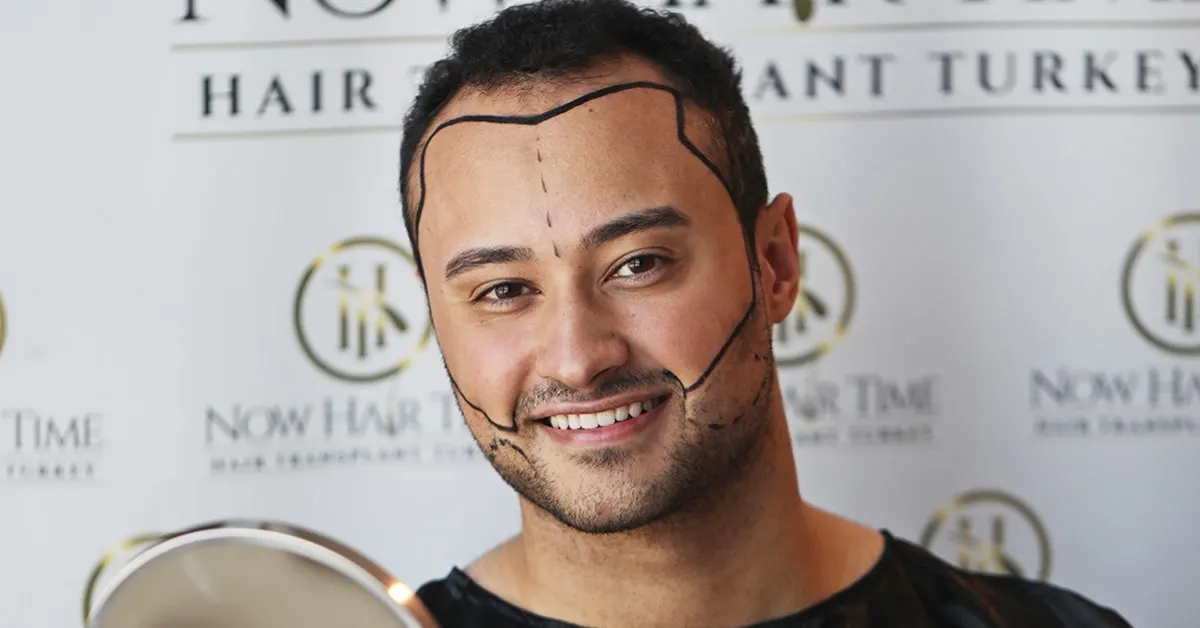
One Week After the Hair Transplant
The most important thing after a hair transplant operation is to protect the transplanted area.
You should not wash your hair for a while. Your doctor gives you the day of the first wash in writing.
Avoid all physical activities that will tire you. Take a break from doing sports such as weight lifting, running, swimming, and so on.
Avoid sexual intercourse for a week after the procedure; your doctor will tell you when you can resume.
Avoid anything you can get hit with. The impact does not need to be heavy; even light rubbing can affect the grafts.
Get a comfortable, wide, non-pressing hat to use 10 days after the operation. In this way, you will be protected from many external factors. Hats should not be worn in the first 10 days following a hair transplant.
Please do not smoke or drink alcohol for a while either before or after the hair transplant. In this way, hair follicles are fed better and healing of the grafts is supported.
When you go through the healing process, you will start to have small crusts. This is not something to worry about; it is a normal part of healing. Please continue to use the medications given by your doctor on schedule.
Rest for the first three days after the hair transplant and avoid going out except for your clinic appointments. In this way, you can prevent possible accidents.
First Wash and Medical Dressing After Hair Transplant
Post-Care After Hair Transplant Operation is important and necessary. The medical dressing is applied one day after the hair transplant. On the first post-operative day, the first consideration in medical dressing is to check the circulation in the donor and recipient areas. The doctor also checks that there are no infections or problems in those areas. First, bandages are removed and medical dressing is applied. Patients usually feel little or no pain during the dressing.
The first wash is done on the day your doctor gives you in writing. The first week is very important in the setting of hair follicles. Therefore, the first wash should be done in the clinic.
In the first wash, informative training is given on the subsequent washing and how to wash your hair will be explained to you. Post care is as important as the hair transplant operation to achieve the hair you desire. Hair growth usually continues for about 12 months, and results vary from person to person.
In the washing process, first, a special lotion is applied to the hair and you should wait for a while. This applied lotion is for the softening of the crusts that are formed and hair follicles and more effective washing. After a certain period, foam shampoo is applied to the patient's head very carefully and gently.
During this foaming process, the movement is not hard and harsh. After washing, the drying stage starts. With a soft towel, the head is dried with very light movements. Never use harsh movements, as this can damage the hair follicles.
In summary, the order after the operation is as follows:
- The hair transplant operation
- Medical dressing
- First hair wash
If you experience any problems after washing or if you have a question, please consult your doctor.
Written by the Now Hair Time editorial team